
Flooring
We supply solid oak and engineered oak flooring, alongside engineered walnut boards, all crafted from genuine timber rather than laminate substitutes. Whether restoring a period property or finishing a contemporary build, our floors offer substance and stability. Each board is carefully selected and graded to ensure quality throughout.
Order free samples to compare tones at home, or speak to our flooring team for guidance.
VIEW ALL
Flooring
Flooring Accessories
View the rangeSolid Oak Flooring
View the rangeEngineered Flooring
View the rangeAll Flooring
- Filters
- Material
- Type
- Accessories
- View results

Solid vs Engineered Flooring
Solid oak flooring is cut from a single piece of European timber, offering a substantial feel underfoot. It can be sanded and refinished many times over its life, making it a long-term choice for dry environments.
Engineered flooring uses a thick oak or walnut wear layer bonded to a cross-laminated core. The surface is genuine timber, not laminate, but the construction improves stability and makes it suitable for underfloor heating and rooms with fluctuating temperatures. Once laid, the appearance is indistinguishable from solid boards.
Options for Your Project
Solid Oak Flooring
Our solid oak flooring is produced from high-quality European oak and supplied unfinished, ready for sanding and finishing on site.
Available in Prime, Character, and Rustic grades, it allows you to choose the level of knotting and grain variation that suits your scheme. Bespoke widths up to 205mm can be machined on request.
Best suited to rooms without underfloor heating, solid oak offers authenticity and the option to refinish the surface many times over its life.
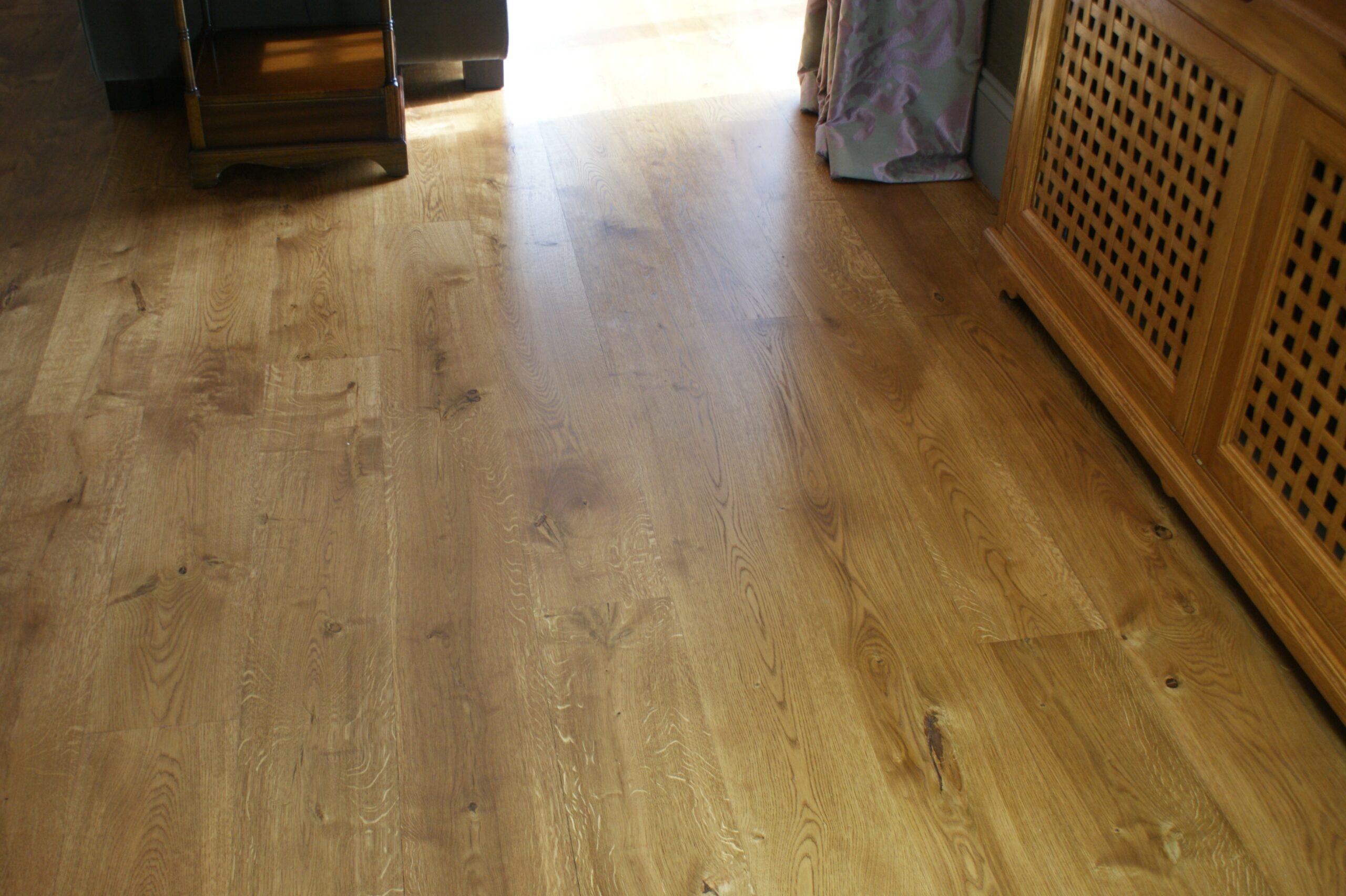
Engineered Oak & Walnut Flooring
Our engineered oak and walnut flooring pairs a thick wear layer of real timber with a cross-bonded multi-ply core for improved stability. The result is a floor that looks identical to solid once laid, yet performs confidently in rooms with underfloor heating or changing temperatures.
Supplied in mixed grade packs, these boards can be floated, bonded or, where thickness allows, secret-nailed. Installation is typically quicker and more straightforward, without compromising on appearance or longevity.
Board Formats, Finishes & Styles
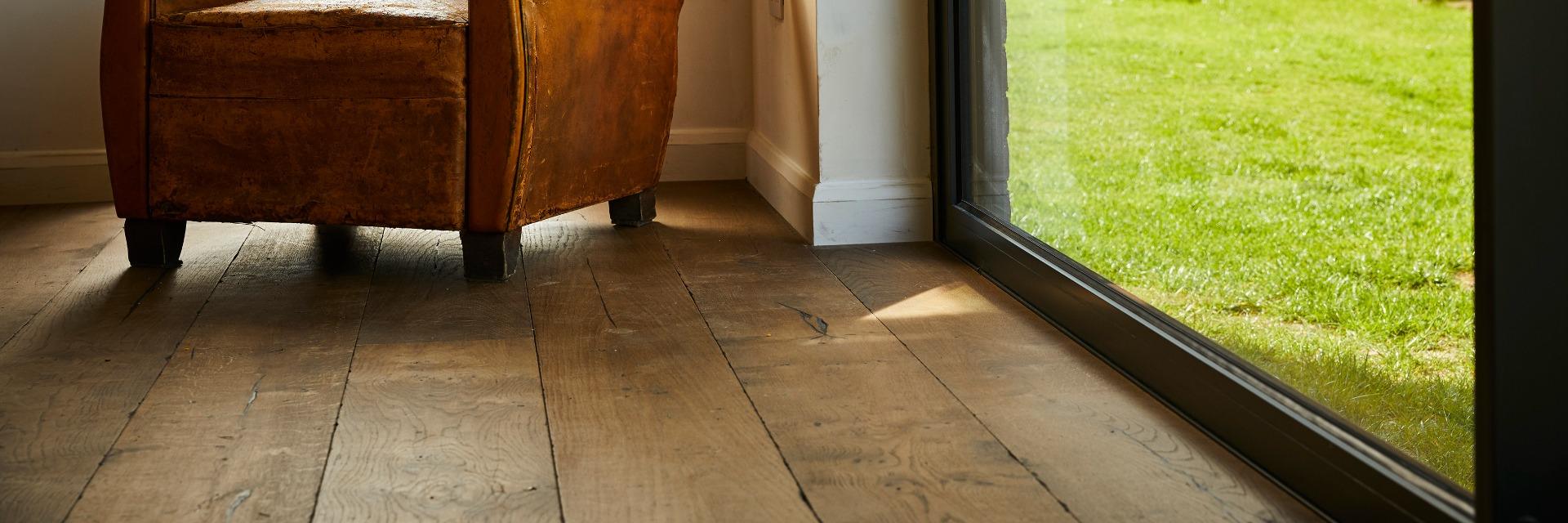
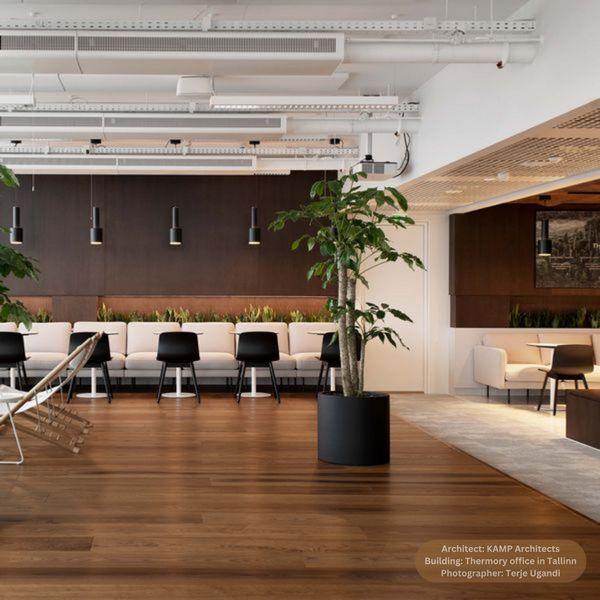
Our flooring is available in a range of formats and finishes, allowing you to shape both the feel and character of a space.
Board Formats
- Plank and wide plank – Wider boards emphasise grain while narrower planks introduce more rhythm.
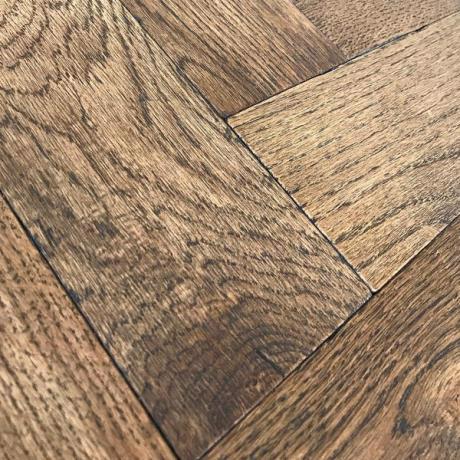
- Herringbone – A patterned layout that adds movement and works particularly well in hallways and open-plan rooms.
Surface Texture
- Smooth – Clean and refined, showing the timber clearly.
- Brushed – Subtly textured to highlight grain and disguise everyday wear.
- Distressed or saw-marked – Introduces a more lived-in character from the outset.
Finishes and Colour
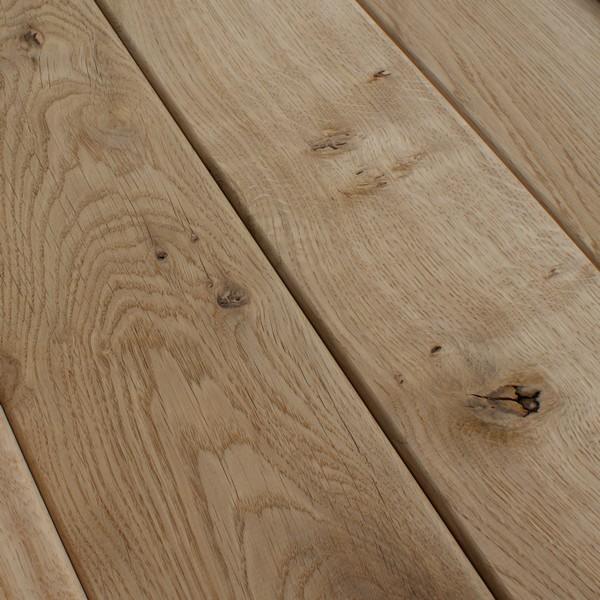
- Oiled, lacquered or unfinished – From natural hardwax oils to UV-cured lacquers, or boards ready for on-site finishing.
- Colour direction – Natural oak, smoked tones, limed and pale finishes, through to rich walnut.
For a deeper exploration of styles, textures and finishes, see our detailed flooring guide.
Installation & Accessories
Correct installation is essential to long-term performance. We supply underlays, adhesives, and primers from trusted brands including Lecol, along with damp-proof membranes to manage subfloor moisture.
Treatex hardwax oils are available for finishing and ongoing care, and we recommend applying a fresh coat after fitting to seal joints and protect the surface.
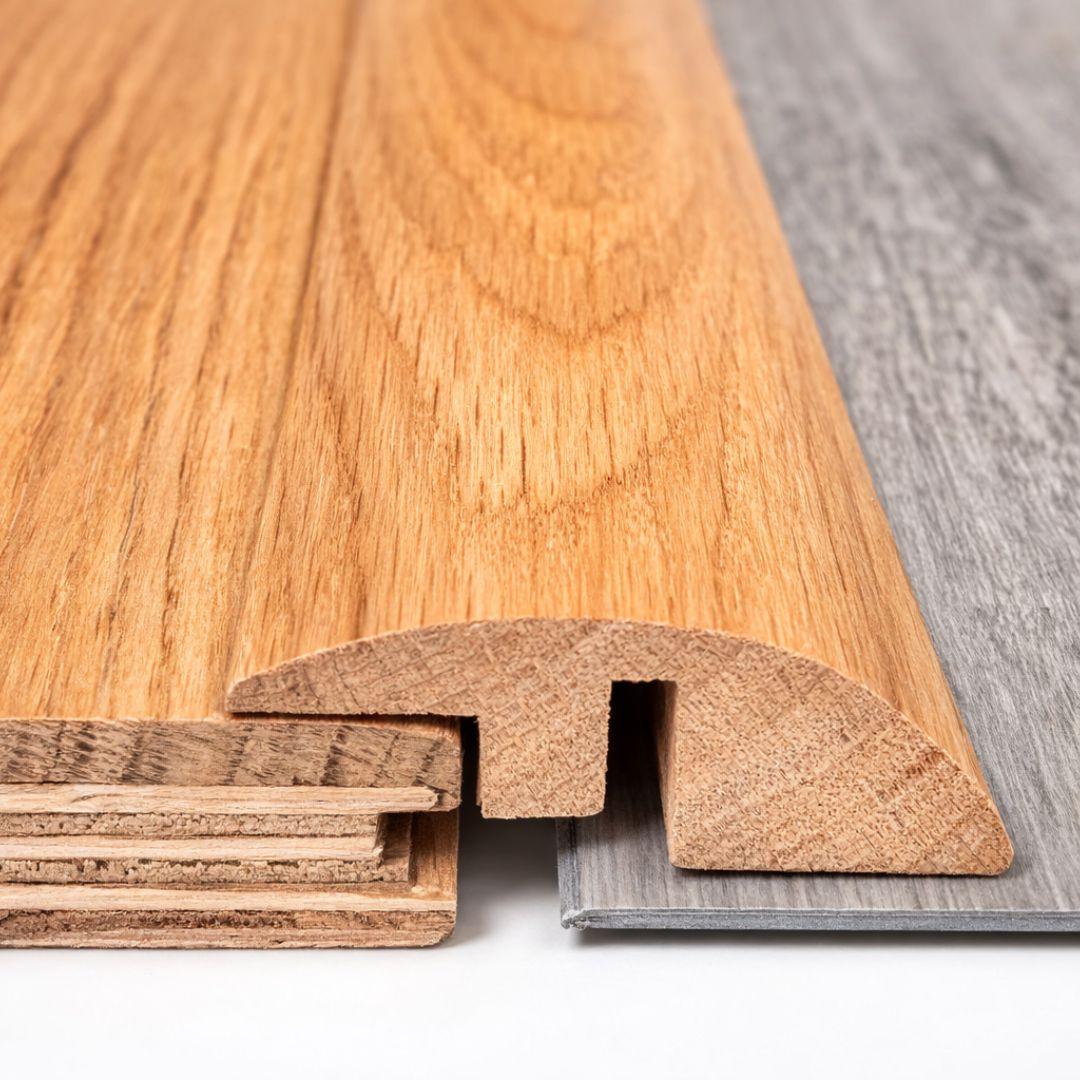
Trims, thresholds, and oak plugs complete the detail, ensuring your floor is fitted properly and performs as intended.
The Round Wood of Mayfield Difference
Our solid oak boards are crafted in-house, drawing on decades of experience in oak framing and timber construction. We prioritise FSC-sourced materials and careful grading throughout.
With a knowledgeable flooring team, free samples available, and reliable nationwide delivery, we provide considered advice as well as quality timber.
Order Your Samples
Seeing the boards in your own space makes the decision far easier. Order free samples to compare grade, tone, and finish at home, or call our flooring team to discuss suitability for your project. Trade enquiries are always welcome, and we’re happy to advise before you commit.
Get in Touch
Flooring FAQs
Selecting a floor can prove a daunting task given that a number of decisions need to be made regarding type, style and fitting method. Our flooring FAQ’s provide background information to assist with these.
Solid or Engineered?
Many customers have had solid Oak previously or know someone who has, and so like to stick with what they know and feel comfortable with. As such solid wood is usually the default choice when looking for flooring, as engineered flooring can be misunderstood and presumed to be inferior. This, however, couldn’t be more wrong. Engineered Oak flooring offers dimensional stability to a hygroscopic timber. This added benefit means Oak flooring can be considered for use in kitchens and bathrooms where solid boards wouldn’t be the best choice due to the possibility of moisture. Once laid, engineered Oak flooring is almost indeterminable from solid, as the Oak veneer wear layer offers the same beautiful overall look as a solid board. An engineered board also boasts the fact that it is designed for use with underfloor heating. The cross bonded multiply backing allows heat to penetrate effectively while maintaining a consistent and stable floor.
What thickness do I need?
As solid flooring is typically bonded to an existing floor, although can also be fitted to joists with the use of secret nailing. Therefore, within reason the thickness can be as the desired providing there is enough thickness for the tongue and groove and wear layer above the tongue (which is the surface area that can be sanded if required). We offer as standard 22mm thickness on both the rustic and antiqued solid Oak flooring. Engineered flooring is available in a choice of thicknesses depending on how the flooring is being fitted. If the engineered board is being fitted onto joists, 21mm thickness is advised for structural purposes. If the engineered boards are glued directly to screed, an existing floor or being floated over an underlay then a 14/15mm thickness will suffice.
How should my flooring be fitted?
Solid oak flooring should be glued directly to screed or existing flooring with a flexible adhesive. The moisture content of the subfloor must be as low as possible (2% is recommended) to prevent the kiln-dried timber from absorbing any excess moisture and expanding as a result. A damp proof membrane can be applied before fitting to minimise any movement within the timber; often advised in period homes. Priming is advisable for preparing a concrete/screed subfloor prior to fitting because the condition of the subfloor is integral to the stability and performance of the finished floor. Engineered flooring gives you more choice when it comes to fitting methods. Fitting onto joists can be possible using a 21mm thick board and can be secret nailed into place. Those looking to minimise sound reduction can float the engineered boards over an underlay, bonding the tongues and grooves together with a PVA glue. In addition to these methods, the boards can also be glued directly to screed or an existing floor, using an adhesive such as Lecol 5500 and Wakol MS260.
Can I change the finish?
Yes. Treatex offers a range of tinted oils to be used on oak flooring once it has been laid. These wax oils allow you to change the tone of the wood without ‘painting’ over the timber. When applied, the oil is worked into the timber, generally bringing out the grain detail and enhancing the overall look of the oak. Once the chosen finish has been applied and allowed to dry, a coat of clear (matt or satin) should be applied. In addition to the above, if your floor is scratched or scuffed during its lifetime, Treatex can be used after sanding to help touch up the area in question, unlike lacquer which involves sanding the entire floor to re-apply. For more information on what finishes are available see our blog guide on Treatex colour tones.
Can I use your timber flooring with underfloor heating?
Engineered oak and walnut boards are suitable for most warm-water underfloor heating systems, thanks to their stable multi-ply construction. Solid oak is generally not recommended for UFH, as it responds more noticeably to temperature changes. Your installer should always follow the heating manufacturer’s commissioning guidelines and maximum surface temperature limits.
How do I clean and maintain a timber floor?
Regular hoovering or sweeping removes grit that can mark the surface. For routine cleaning, use a damp mop with a pH-neutral cleaner designed for timber floors. Avoid excess water and never use steam mops. Oiled floors may benefit from a maintenance coat every few years, depending on wear, while lacquered surfaces require less frequent attention.
Do the boards need to acclimatise before fitting?
Solid oak should be acclimatised in the room for at least two weeks, with the heating and humidity at normal living levels. Engineered boards are more stable and typically require a shorter period, often 48–72 hours, once the subfloor has been checked and confirmed dry. Correct preparation at this stage prevents unnecessary movement later.
Can your floors be sanded and refinished?
Solid oak can be sanded back and refinished multiple times over its life, which is part of its long-term appeal. Engineered boards can also be refinished, provided the wear layer is sufficient, though the number of times will depend on thickness and previous treatments. This makes both options viable for long-term projects.
How much extra flooring should I allow for wastage?
As a rule, allowing around 10% above your measured floor area covers offcuts, pattern alignment, and boards set aside during fitting. More complex layouts, such as herringbone, may require slightly more. Our team can help you calculate quantities accurately before you order.
What subfloors can timber flooring be installed over?
Timber flooring can be installed over properly prepared screed, existing timber substrates, or suitable sheet materials. The key considerations are moisture content, flatness and the chosen fitting method – whether floating over underlay, bonding with adhesive, or secret nailing. Managing moisture with an appropriate damp-proof membrane is essential to long-term stability.
Get in touch
Looking for advice or have a question? You may find the answer in our FAQs here. Alternatively, fill out our quick form below and we’ll put you in touch with the right person in our team! We’ll get back to you by the end of the next working day.

